Blog
Does a Cracked Back of an iPhone Affect Performance?
No. A cracked back panel does not slow your iPhone down, drain the battery faster, or reduce processing power. The glass is a cosmetic and protective layer, not a functional component. What a crack does affect is water resistance, safety, resale value, and the risk of further damage and those are the reasons to fix it, not performance.
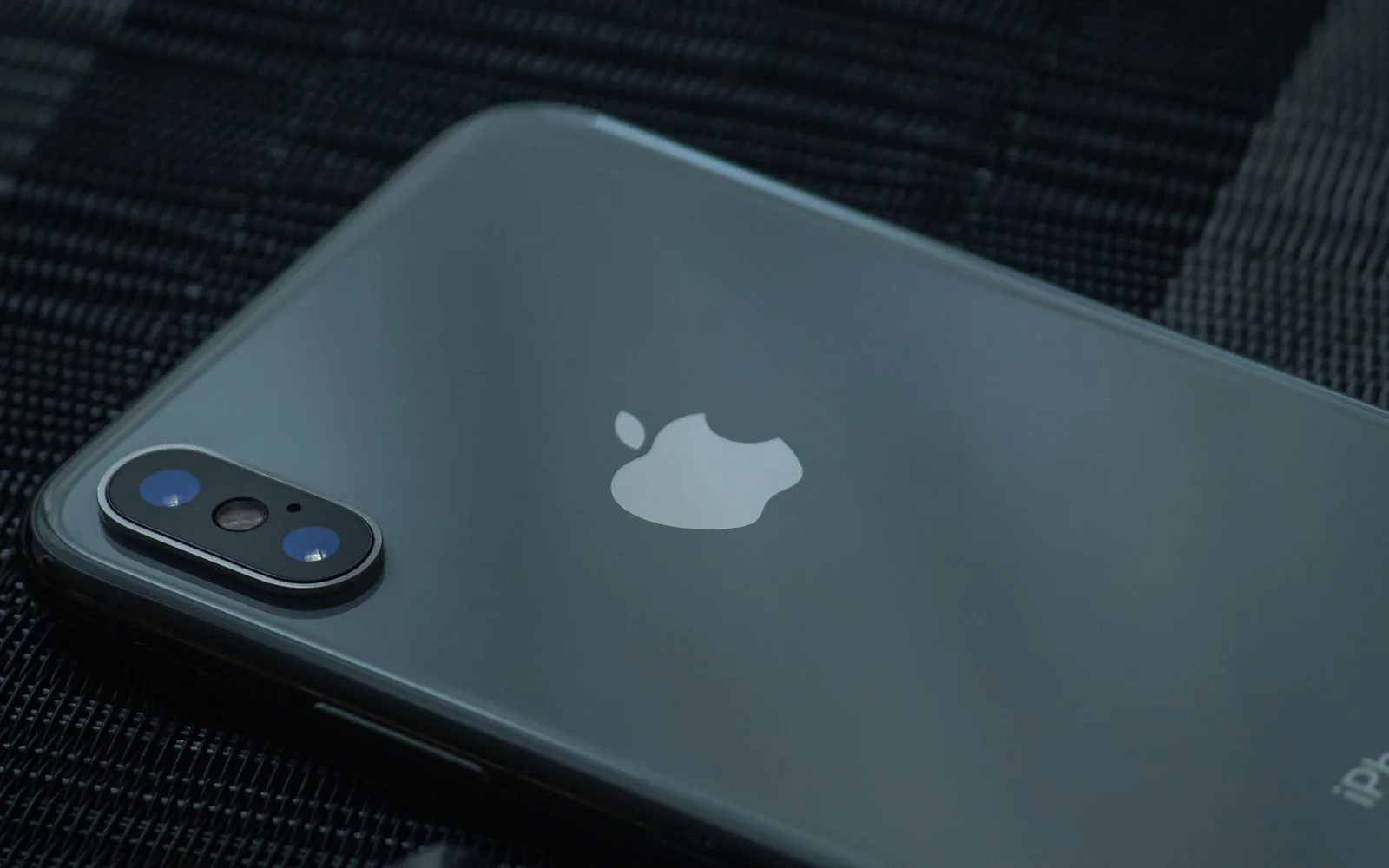
Let’s Clear Up the Wireless Charging Myth First
This is the question behind the question, so let’s answer it directly.
Cracked back glass does not stop wireless charging or MagSafe.
You’ll find plenty of pages claiming otherwise. They’re wrong, and it’s worth understanding why.
The Qi charging coil and the MagSafe magnet array are internal components mounted underneath the glass not part of it. Wireless charging transfers energy through the glass by induction. A crack in that glass doesn’t interrupt the magnetic field any more than a scratch on a window stops light coming through it.
If your iPhone charged wirelessly before the drop and doesn’t now, the crack isn’t the cause. The impact may have damaged the coil, or the same drop may have caused a separate internal fault. That’s worth diagnosing but the glass itself isn’t the culprit.
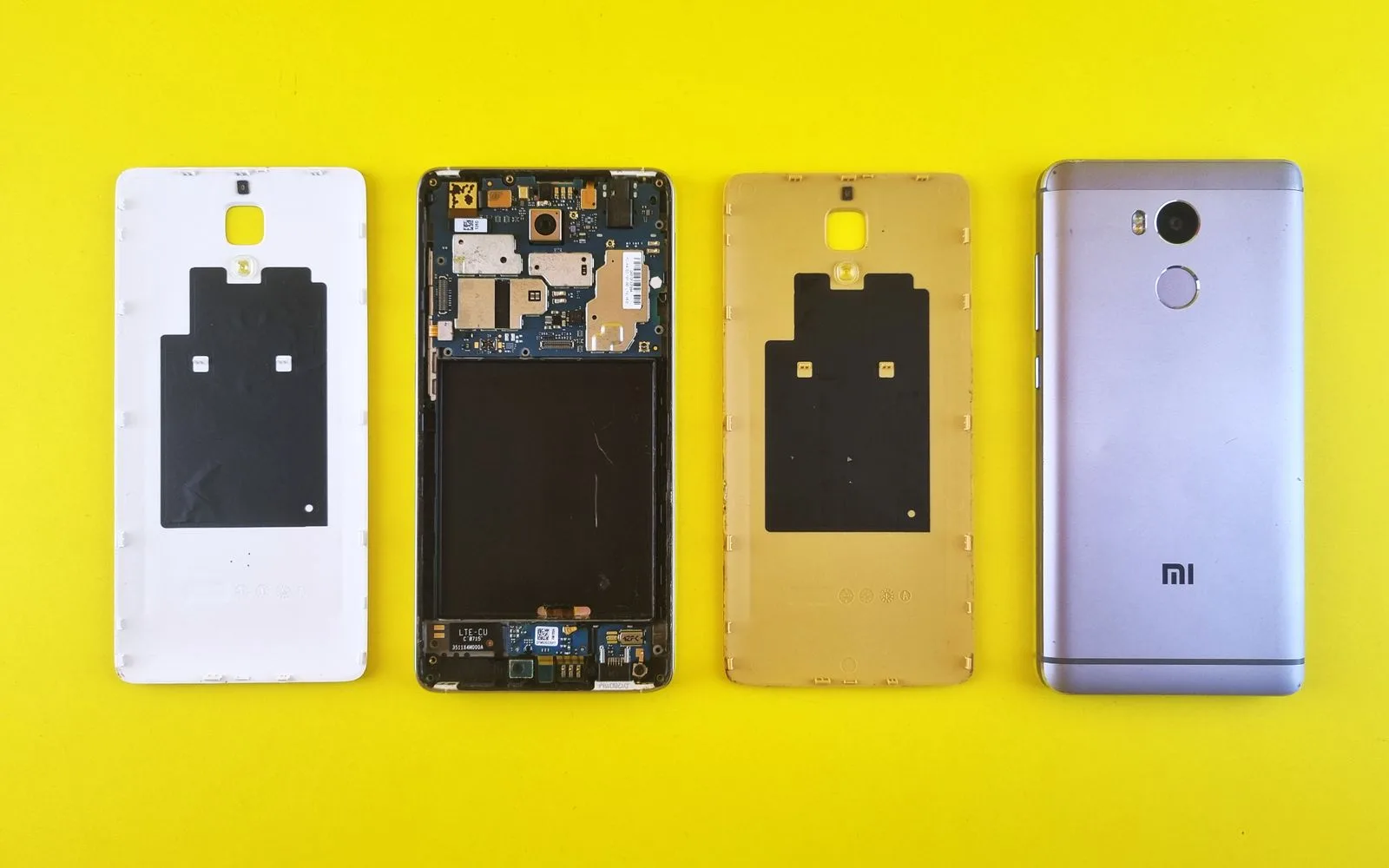
Here’s the part almost nobody tells you: the most common way people actually lose MagSafe is a badly done back glass repair. The charging coil, NFC antenna, rear microphone and camera flex cables all sit directly beneath the adhesive holding that glass on. Removing the glass with a heat gun or the wrong laser settings can deform the coil permanently. A cosmetic repair becomes an expensive internal one.
So the honest summary: the crack won’t break your wireless charging. A cheap repair might.
What a Cracked Back Genuinely Does Not Affect
Let’s be specific, because vague reassurance isn’t useful:
| Concern | Affected? |
|---|---|
| Processing speed / performance | ❌ No |
| Battery life or battery health | ❌ No |
| Wireless charging & MagSafe | ❌ No (see above) |
| Cellular, Wi-Fi, Bluetooth signal | ❌ No |
| Camera quality — if the lens itself is intact | ❌ No |
| Screen, Face ID, speakers | ❌ No |
| iOS updates and app behaviour | ❌ No |
If your iPhone was fast yesterday and the back cracked today, it’s exactly as fast today. Nothing about a broken rear panel touches the processor, the memory, or the battery.
What It Does Affect | The Four Real Risks
This is where a cracked back genuinely matters. None of it is about performance, and all of it is about what happens over the following weeks and months.
1. Water and dust resistance is gone
This is the big one.
Your iPhone’s water resistance depends on an unbroken seal around the entire body. Once the rear glass cracks, that seal is compromised even hairline cracks you can barely feel. Your iPhone is no longer water-resistant, whatever its IP rating says on paper.
That doesn’t mean it will fail tomorrow. It means the protection you were relying on isn’t there anymore. Rain, a humid bathroom, a spilled drink, sweat in a gym bag, all of these now have a path inside. And moisture inside a phone doesn’t cause immediate failure; it causes corrosion, which develops quietly over weeks and shows up later as a dead camera, a failed charging port, or a black screen. That is water damage repair territory, and it costs more than the glass would have.
This is the actual reason to fix a cracked back. Not speed. Corrosion prevention.
2. Dust and debris get in
The same openings that let moisture in let in dust, lint and grit. Over time this accumulates around internal components and inside the camera housing. If your rear camera photos have developed a haze or spots since the crack, debris behind the lens is a likely reason.
3. Cracks spread
Glass under stress keeps failing. A single crack from a drop tends to expand with everyday pressure sitting on it, a tight pocket, temperature swings, the flex of picking it up a hundred times a day.
Two things happen as it spreads. Loose shards start falling out, leaving your fingers exposed to sharp edges and glass fragments in your pocket. And the repair gets more expensive, because a crack that reaches the frame or the camera bezel turns a straightforward glass replacement into a larger job.
4. Resale and trade-in value drops sharply
Trade-in programmes and buyers grade heavily on cosmetic condition. A cracked back can move a device from “good” to “damaged,” and the value gap is frequently larger than the cost of the repair itself. If you’re planning to upgrade within a year, the repair often pays for itself.
Is It Dangerous to Keep Using?
Mostly no, with two genuine cautions.
Sharp edges and glass fragments. Once shards start lifting, they cut. This is a real, common minor injury and it’s worse if the phone lives in a pocket with your hands, or if children use it.
Camera lens damage is different. If the crack extends across the rear camera lens itself not just the panel around it that will affect photo quality: haze, flare, blurring, autofocus struggling in bright light. That’s no longer cosmetic, and it’s a separate repair.
A short-term measure: a well-fitting case contains loose shards and slows the crack spreading. It does nothing for water resistance, and it isn’t a fix but if you need to wait a few weeks, a case is a sensible stopgap.
Why Model Matters More Than You’d Expect
Most guides quote one price range for “iPhone back glass.” That’s misleading, because the design changed significantly and the difference is large.
iPhone 12, 13, and 14 Pro / 14 Pro Max, the difficult ones. On these models the rear glass is bonded directly to the chassis with industrial-strength adhesive. Removing it requires specialist laser equipment to burn through the adhesive without overheating the components sitting right underneath. This takes real equipment and real skill, and it costs more.
iPhone 15 and 16, much easier. Apple extended a removable rear panel design across these generations, including the Pro models. The repair is substantially simpler and cheaper. If you have a 15 or 16 with a cracked back, the news is better than you’re probably expecting.
A quirk worth knowing: among iPhones released from 2022 onward, the 14 Pro and 14 Pro Max are the only models still requiring the harder bonded-glass process. If you own one of those, you have the trickiest back glass repair in the current lineup and it’s specifically the one where choosing the right shop matters most.
What to Ask Before You Hand Over Your Phone
Back glass repair is the repair where cheap goes wrong most often. Three questions will tell you what you need to know:
- “What method do you use?” Laser separation or a full housing swap are the two legitimate approaches. Heat gun and razor blade is not that’s where coils get deformed and flex cables get torn.
- “Do you test wireless charging and MagSafe afterwards?” A proper repair includes verifying Qi charging, MagSafe alignment and NFC before the phone is handed back. Shops that skip this are shops where you find out about the problem later.
- “Is the replacement glass colour and finish matched?” Standard models use a frosted matte finish; Pro models use polished glass. A mismatch is immediately visible.
Frequently Asked Questions
No. The rear glass is a cosmetic and protective panel with no connection to the processor, memory or battery. A cracked back has no effect on speed or performance.
No. The Qi coil and MagSafe magnet array sit inside the phone beneath the glass, and charging works through it by induction. If wireless charging stopped after a drop, the impact damaged something internal the crack itself isn’t the cause.
No. Water resistance depends on an intact seal around the whole body. Any crack in the rear glass breaks that seal, even a hairline one. Treat the phone as having no water resistance at all.
Generally yes, with two cautions: loose shards can cut your fingers, and if the crack crosses the camera lens it will degrade photos. A well-fitting case contains the glass as a short-term measure.
Not directly. The risk is indirect if moisture enters through the crack and reaches internal components, corrosion can develop over weeks or months and cause real faults.
On bonded models, realistically no. The adhesive requires a laser machine, and the wireless charging coil, NFC antenna and camera flex cables sit directly beneath where you’d be working. DIY attempts commonly end with permanently broken MagSafe.
It shouldn’t. A properly performed repair leaves the coil and magnet array untouched, and both work normally. A repair done with a heat gun instead of proper equipment can deform the coil which is why the method matters.